
-
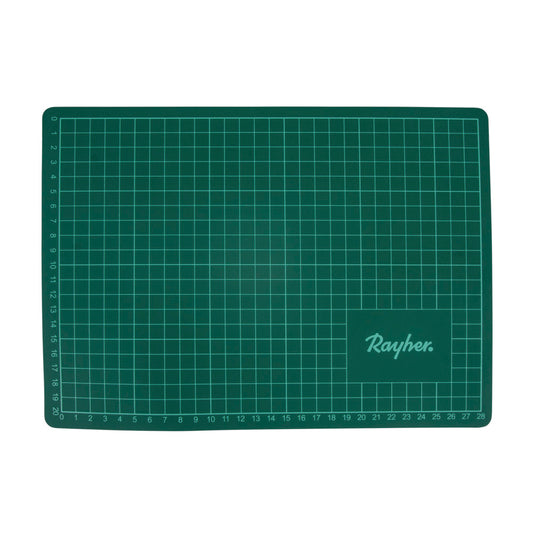
Schneidematte grün 45 x 30 x 0,3 cm
Regular price €11,90 EURRegular priceUnit price per€0,00 EURSale price €11,90 EUR -
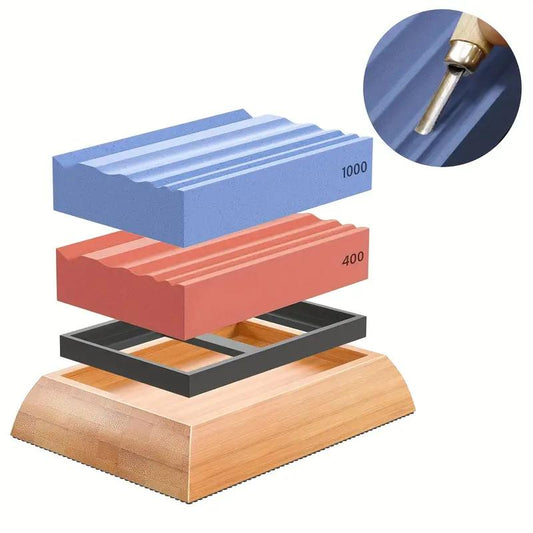
Schärfsteine für Holzschnitzwerkzeuge und Werkzeuge
Regular price €29,90 EURRegular priceUnit price per€39,90 EURSale price €29,90 EURSale -
Edpas - Geschenkgutscheine für Schnitzer und Drechsler
Regular price From €10,00 EURRegular priceUnit price per€0,00 EURSale price From €10,00 EUR

Schnitzen für Anfänger – Der perfekte Einstieg in die Holzschnitzkunst
Schnitzen für Anfänger – Kreativer Einstieg in ein traditionelles Handwerk
Schnitzen ist eine entspannende und kreative Tätigkeit, die nicht nur Kinder begeistert, sondern auch Erwachsenen einen wohltuenden Ausgleich zum Alltag bietet. Der Einstieg in die Welt des Holzschnitzens ist unkompliziert, wenn man die richtigen Werkzeuge nutzt, passende Projekte auswählt und etwas Geduld mitbringt. Wer Schnitzen für Anfänger ausprobieren möchte, findet mit der richtigen Anleitung und qualitativem Werkzeug schnell Zugang zu diesem traditionellen Handwerk.
Das richtige Werkzeug für den Einstieg
Für alle, die gerade erst mit dem Schnitzen beginnen, ist ein gutes Einsteiger-Set die ideale Basis. Besonders empfehlenswert ist das Schnitzerset STUBAI 4-tlg. "Einsteiger 52", das speziell für Neulinge konzipiert wurde. Es enthält robuste Werkzeuge aus gehärtetem Stahl, die durch ihre Schärfe und Langlebigkeit überzeugen. Die ergonomischen Griffe liegen angenehm in der Hand und ermöglichen sicheres und kontrolliertes Arbeiten. Abgerundet wird das Set durch eine praktische Rolltasche, die die Aufbewahrung und den Transport der Werkzeuge erleichtert.
Einfache Schnitzideen für den Anfang
Wer neu im Schnitzen ist, sollte mit überschaubaren Projekten beginnen. Kleine Tierfiguren oder einfache Holzformen helfen dabei, ein Gefühl für das Material und die Werkzeugführung zu entwickeln. Besonders beliebt sind auch selbst geschnitzte Holzlöffel – sie sind nicht nur praktisch, sondern auch eine gute Übung für grundlegende Techniken. Auch dekorative Anhänger oder kleine Figuren bieten sich als erste Projekte an, um Freude an der Arbeit zu entwickeln und schnell Erfolge zu sehen.
Schnitzkurse und Anleitungen für Anfänger
Ein gezielter Einstieg gelingt besonders gut mit professioneller Begleitung. Schnitzkurse für Anfänger vermitteln nicht nur die Grundlagen des Handwerks, sondern auch wichtige Tipps zur Materialkunde, Werkzeugführung und Sicherheit. In vielen Workshops und Online-Kursen lernst du Schritt für Schritt, wie du Messer richtig hältst und kontrolliert einsetzt. So kannst du deine Technik schnell verbessern und eigene Projekte selbstbewusst umsetzen.
Werkzeugpflege – Messer richtig schleifen lernen
Ein scharfes Messer ist beim Schnitzen unverzichtbar. Deshalb gehört auch das regelmäßige Schärfen der Klinge zu den Grundkenntnissen, die jeder Anfänger erlernen sollte. Ob mit Wassersteinen, Schleifbändern oder praktischen Handschärfern – wer sein Werkzeug pflegt, kann präziser und sicherer arbeiten. Die Schärfe der Klinge beeinflusst die Qualität deiner Schnitzarbeit maßgeblich.
Schnitzvideos – Lernen mit praktischer Anleitung
Gerade am Anfang hilft es, die Schnitztechniken visuell zu erleben. Schnitzvideos zum Mitmachen und Lernen zeigen dir, wie du Schritt für Schritt dein Projekt umsetzt. Du bekommst ein Gefühl für die Bewegung des Werkzeugs, die Richtung des Holzschnitts und die richtige Haltung. So lernst du nicht nur durch Theorie, sondern auch durch Praxis – direkt beim Zuschauen und Nachmachen.
Fazit – Mit Freude und Sicherheit ins Schnitzen starten
Schnitzen für Anfänger ist ein wunderbares Hobby, das handwerkliches Geschick mit kreativer Entfaltung verbindet. Mit dem passenden Werkzeug wie dem STUBAI Schnitzerset, einfachen Projektideen, praktischen Kursen und der richtigen Schleiftechnik hast du alle Grundlagen in der Hand, um erfolgreich durchzustarten. Entdecke die Freude am Arbeiten mit Holz und beginne noch heute dein erstes Schnitzprojekt – präzise, kreativ und ganz in deinem Tempo.