Table of Contents
• Why wood care is so important for carvings
• Wood oil – natural protection for carvings
• Wood stain – color and depth for carved wood
• Wax stain – staining and waxing in one step
• Wood wax and hard wax oil – protection and pleasant feel
• Benefits of oil, stain and wax for wood
• Application tips: Oiling, staining and waxing wood correctly
• The right choice for your carving project
Why wood care is so important for carvings
Carving opens up the wood fibers. If the wood is not treated, it can dry out, become dirty or lose its effect. A suitable surface treatment protects the workpiece and brings out the natural beauty of the wood better.
Wood oil penetrates the surface and nourishes the wood from within. Stain colors the wood and highlights grain and carving details. Wax and hard wax oil also protect the surface and provide a pleasant feel. The right combination of wood oil, stain and wax creates a natural, long-lasting finish.
Wood oil – natural protection for carvings
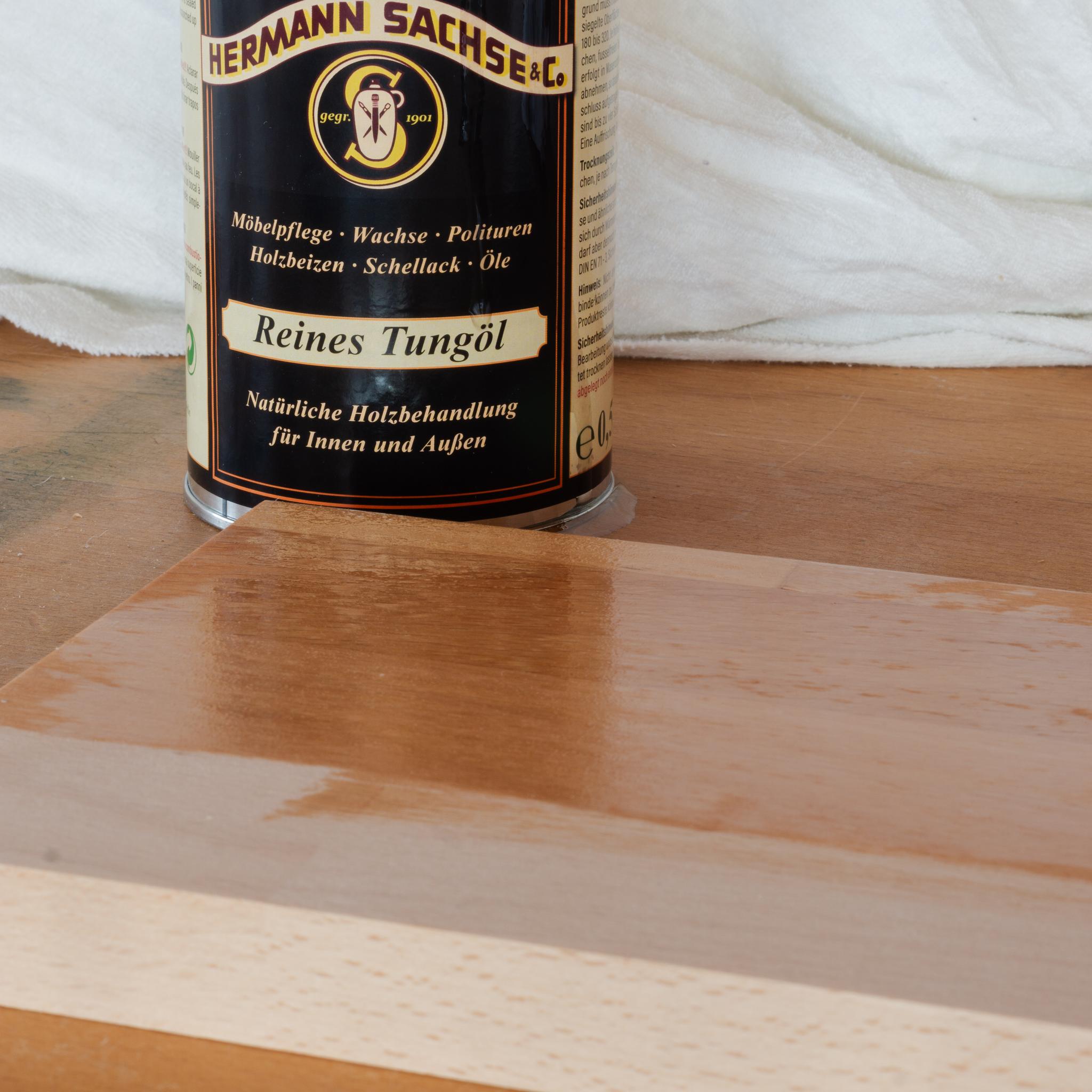
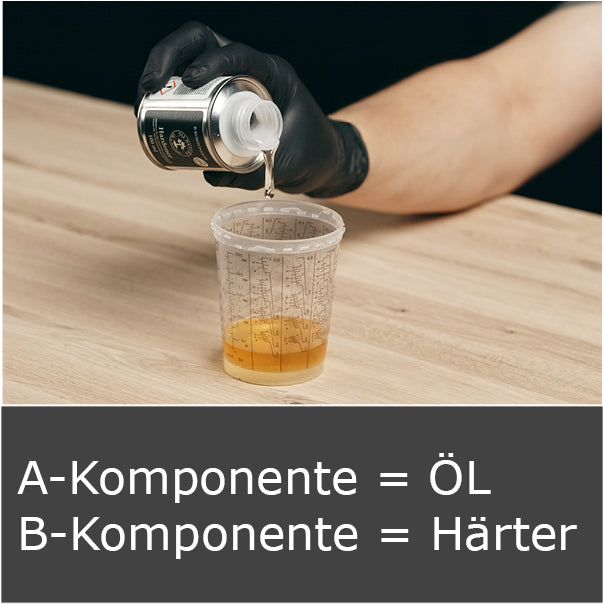
Wood oil is ideal if carvings, wooden figures or DIY projects are to be naturally protected and maintained. It penetrates the wood, protects against drying out and, depending on the product, can subtly or strongly emphasize the grain.
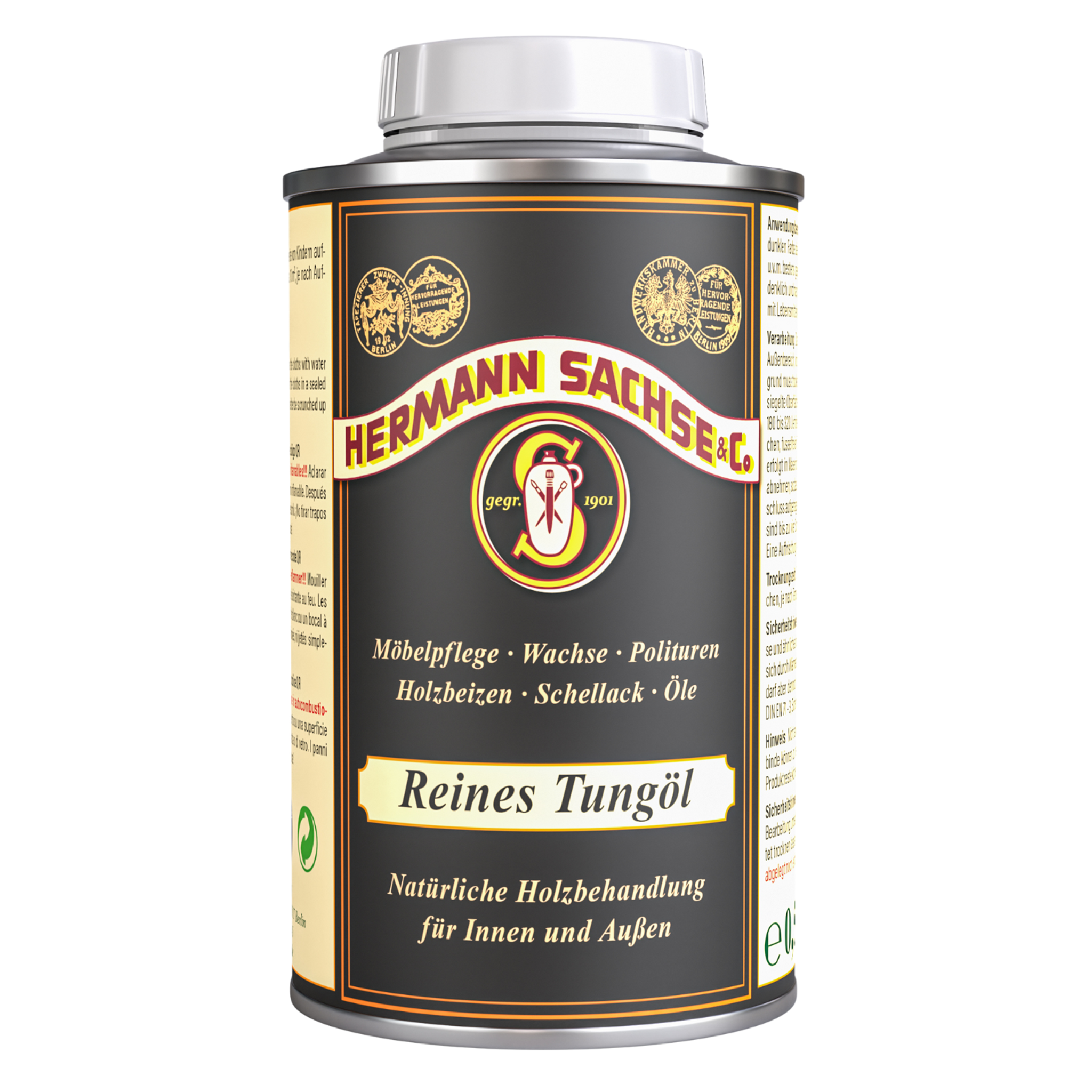
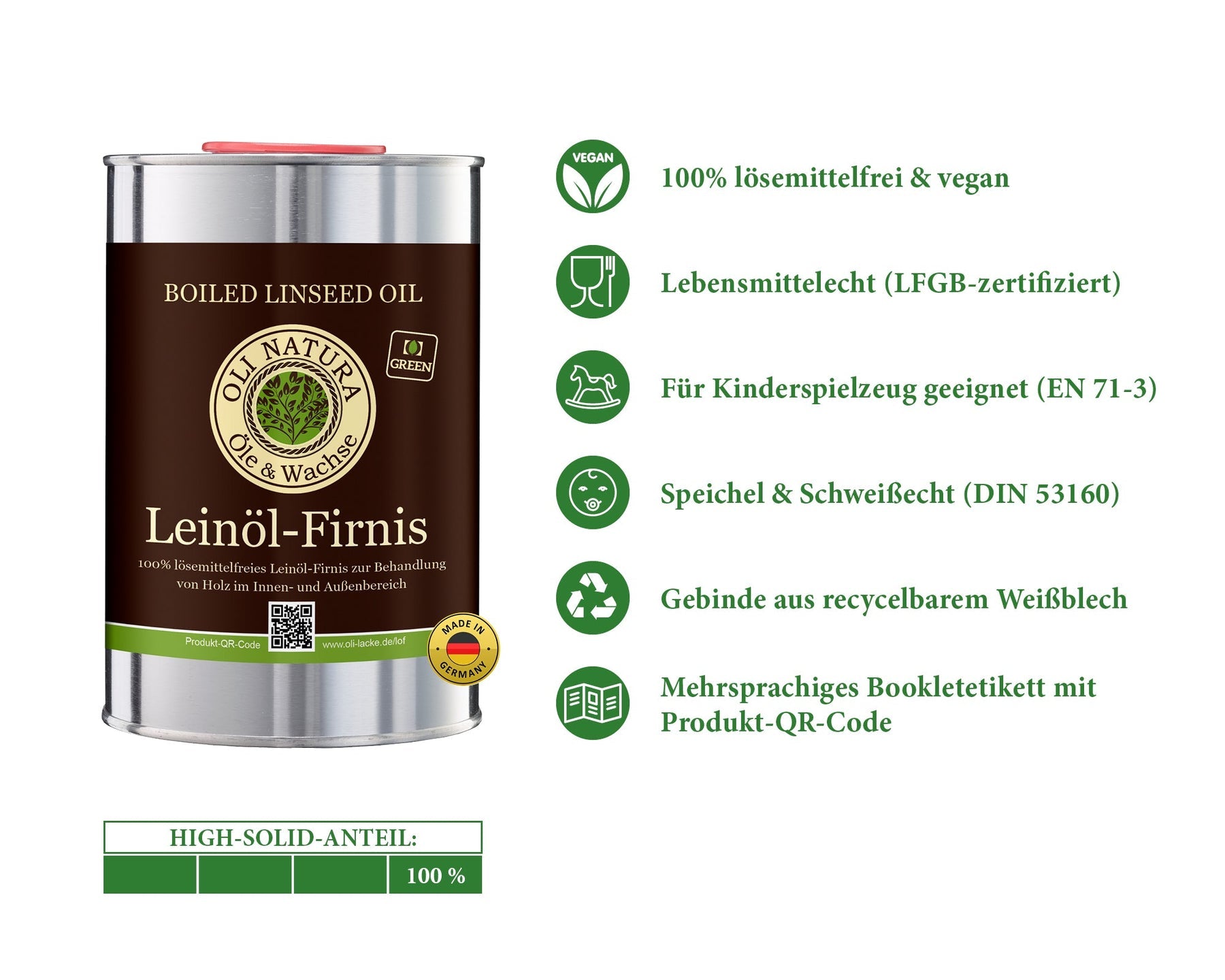
For light woods such as linden, pine, spruce or fir, non-enhancing oils are particularly suitable if the natural raw wood look is to be preserved. Tung oil or classic wood oils, on the other hand, provide a richer finish and are suitable for robust wood surfaces indoors and outdoors.
• nourishes wood from within
• protects against drying out and moisture
• ideal for carvings, wooden figures and wood projects
• naturally light or richly emphasized depending on the oil
• easy application with brush, cloth or sponge
Wood stain – color and expression for carved wood
The color effect can be precisely controlled with a wood stain. When staining wood, the grain remains visible, while tone and depth are intensified. Especially for carvings made of linden, maple, beech or Swiss pine, stain ensures a uniform, handcrafted look.
Stain is particularly suitable for creative projects, figures, reliefs and decorative woodworks where color and expression are paramount.
• colors wood without concealing the grain
• ideal for staining wood for carvings
• wide range of colors for creative projects
• emphasizes contours, depth and carved details
• good preparation for wax or wood oil
Wax stain – staining and waxing in one step
Wax stain combines wood staining with the protective effect of wax. It colors the wood and at the same time applies a thin layer of wax to the surface. For decorative carvings, wax stain is a particularly simple and natural solution.
Especially for wooden figures, reliefs and small carvings, wax stain is practical because color and surface protection are created in one step.
• combines stain and wax
• even coloring and protection
• pleasant, matte surface
• ideal for figures, reliefs and decoration
• easy to use even for beginners
Wood wax and hard wax oil – protection and pleasant feel
Pure wood wax is used after staining or purely. It protects the surface, provides a warm look and gives the workpiece a pleasant, grippy feel. Especially after staining wood, wax gives the surface more depth and resistance.
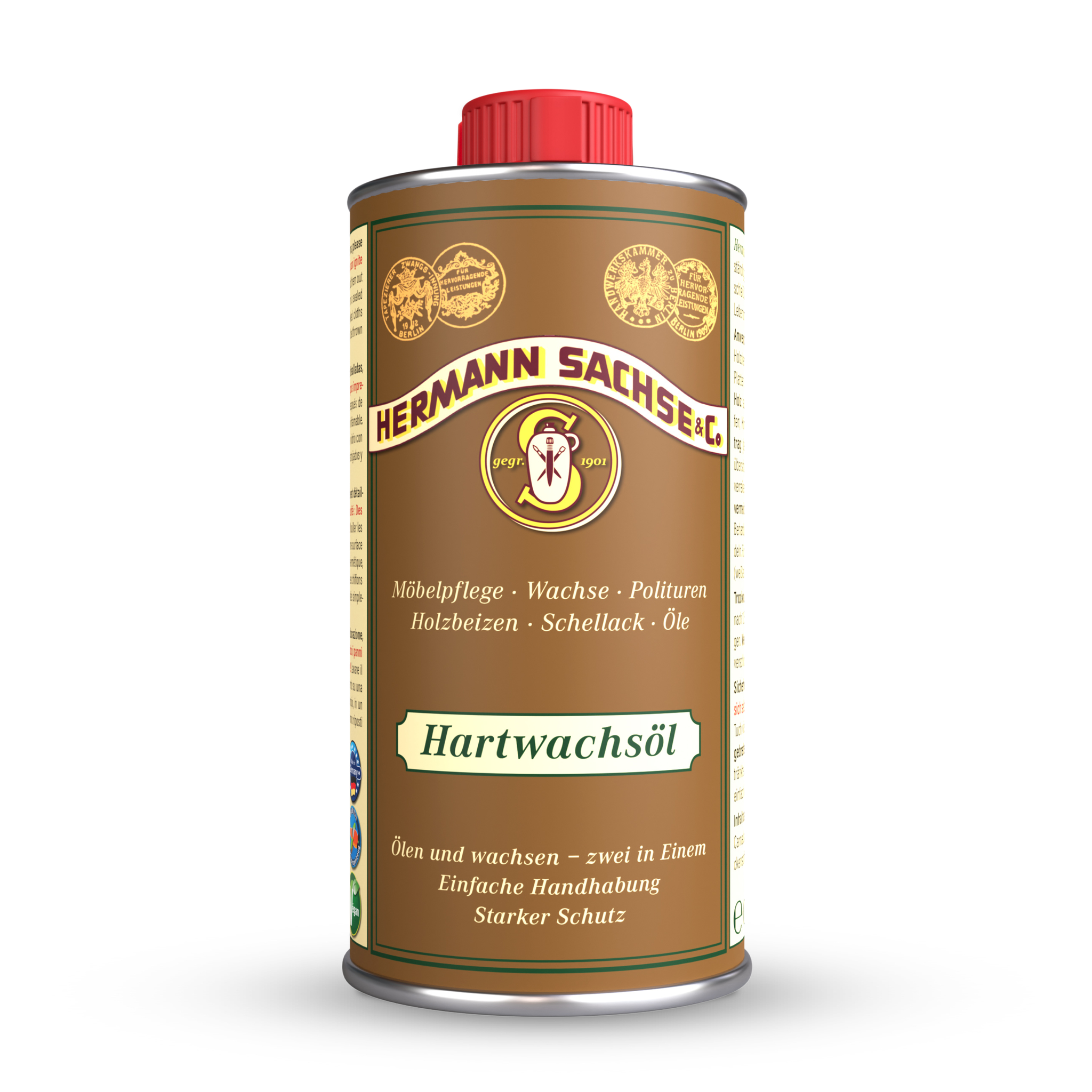
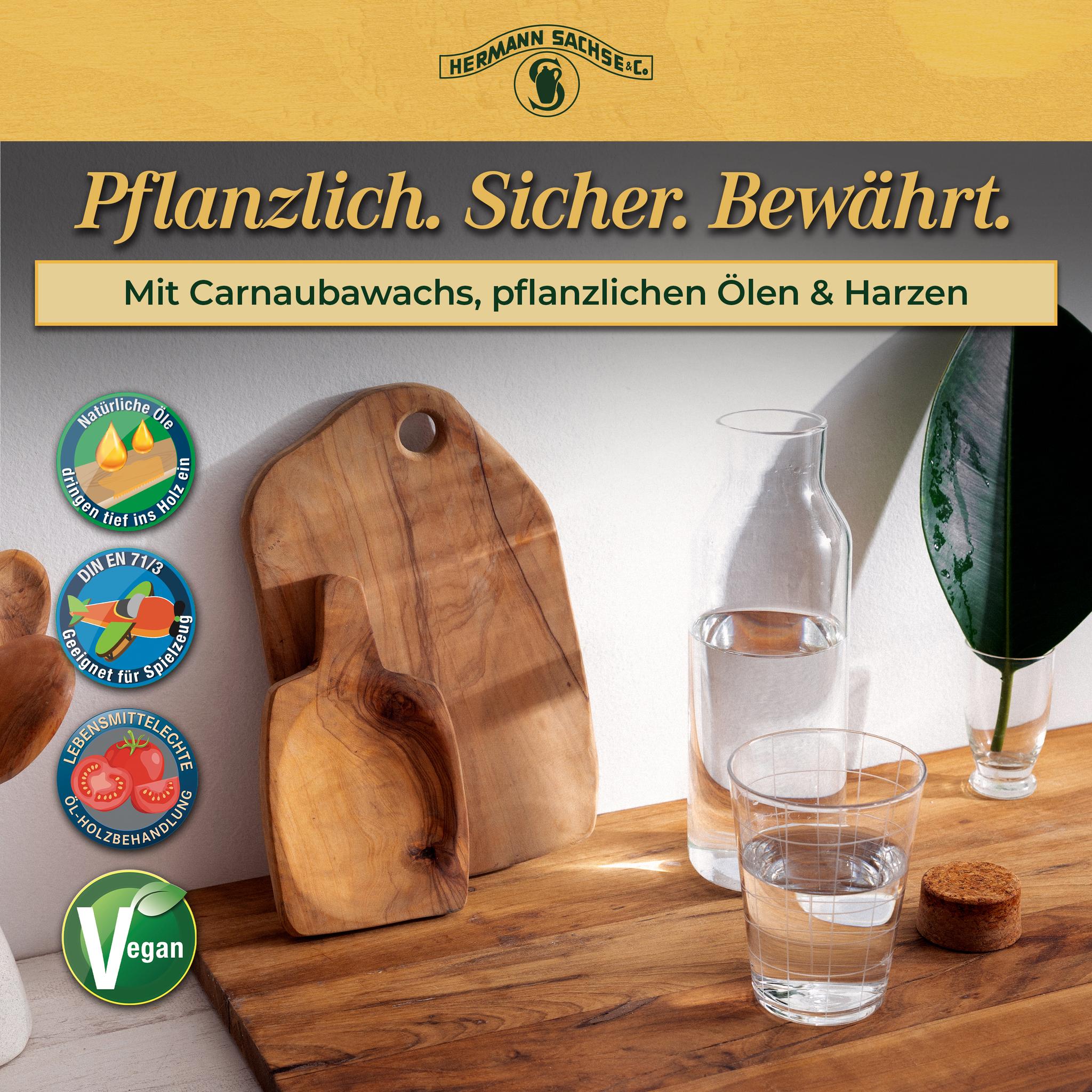
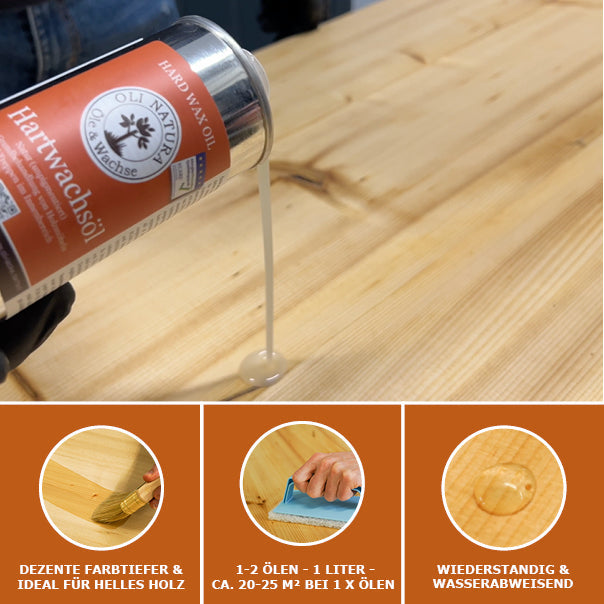
Hard wax oil combines the advantages of oil and wax. It penetrates the wood and at the same time forms a resistant, easy-care surface. This makes it particularly suitable for carvings, wooden figures, furniture, decorative items and DIY wood projects indoors.
• reliably protects wood
• enhances grain and wood color
• provides natural, grippy surfaces
• hard wax oil combines oil care and wax protection
• ideal for decorative and heavily used woodworks
Benefits of oil, stain and wax for wood
Natural products for oiling, staining and waxing wood are ideal for handcrafted work and easy to use. They protect the wood, improve its appearance and make carvings more durable.
• emphasize grain, wood color and carving details
• protect against drying out, moisture and dirt
• ideal for carvings, wooden figures and DIY projects
• suitable for linden, pine, spruce, fir, maple, beech, oak and other solid woods
• easy to use even for beginners
• perfect for hobbies, workshops, schools and creative wood projects
Application tips: Oiling, staining and waxing wood correctly
With a few steps, you can achieve clean and long-lasting results in wood care. A clean, dry and dust-free surface is always important.
• prepare wood surface clean and dry
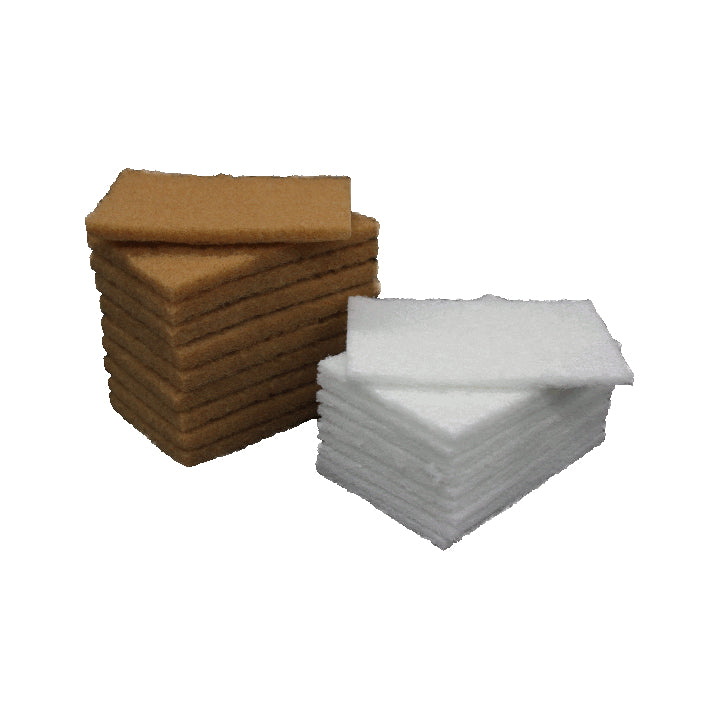
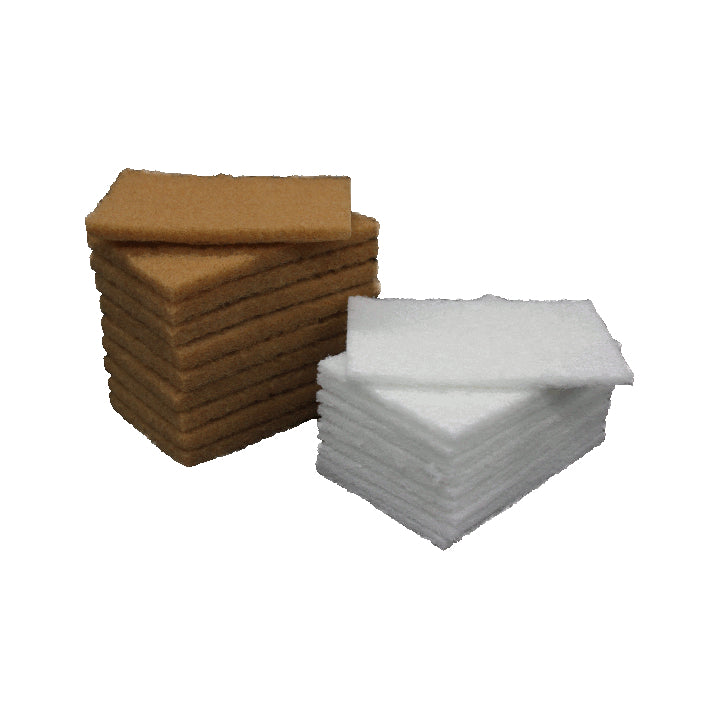
• sand finely if necessary
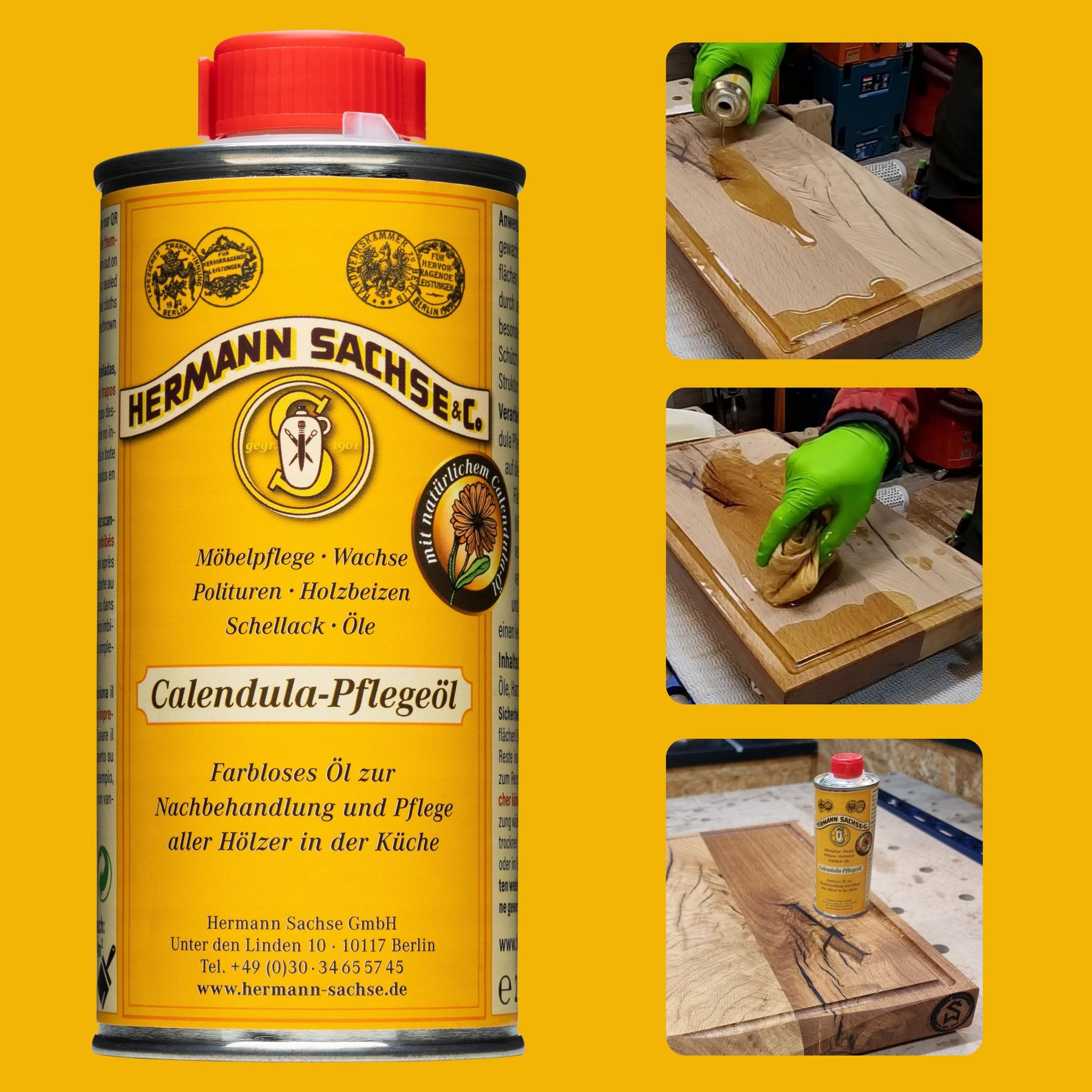
• apply wood oil, stain or wax evenly
• completely remove excess oil and wax
• observe drying times of the respective product
• re-polish surface if necessary
• regularly re-treat if the wood appears dry
For oil products: Oil-soaked cloths can self-ignite. After use, wet cloths and spread them out to dry on a fireproof surface.
The right choice for your carving project
Whether you want to oil wood, stain wood, finish with wax stain or classically protect with wood wax – the right wood care gives your carving the finishing touch.
For light carving woods such as linden, a non-enhancing wood oil is suitable if the natural raw wood look is to be preserved. For stronger surfaces and emphasized grain, tung oil or hard wax oil are a good choice. Stain adds color and depth to the wood, while wax and hard wax oil provide protection and a pleasant feel.
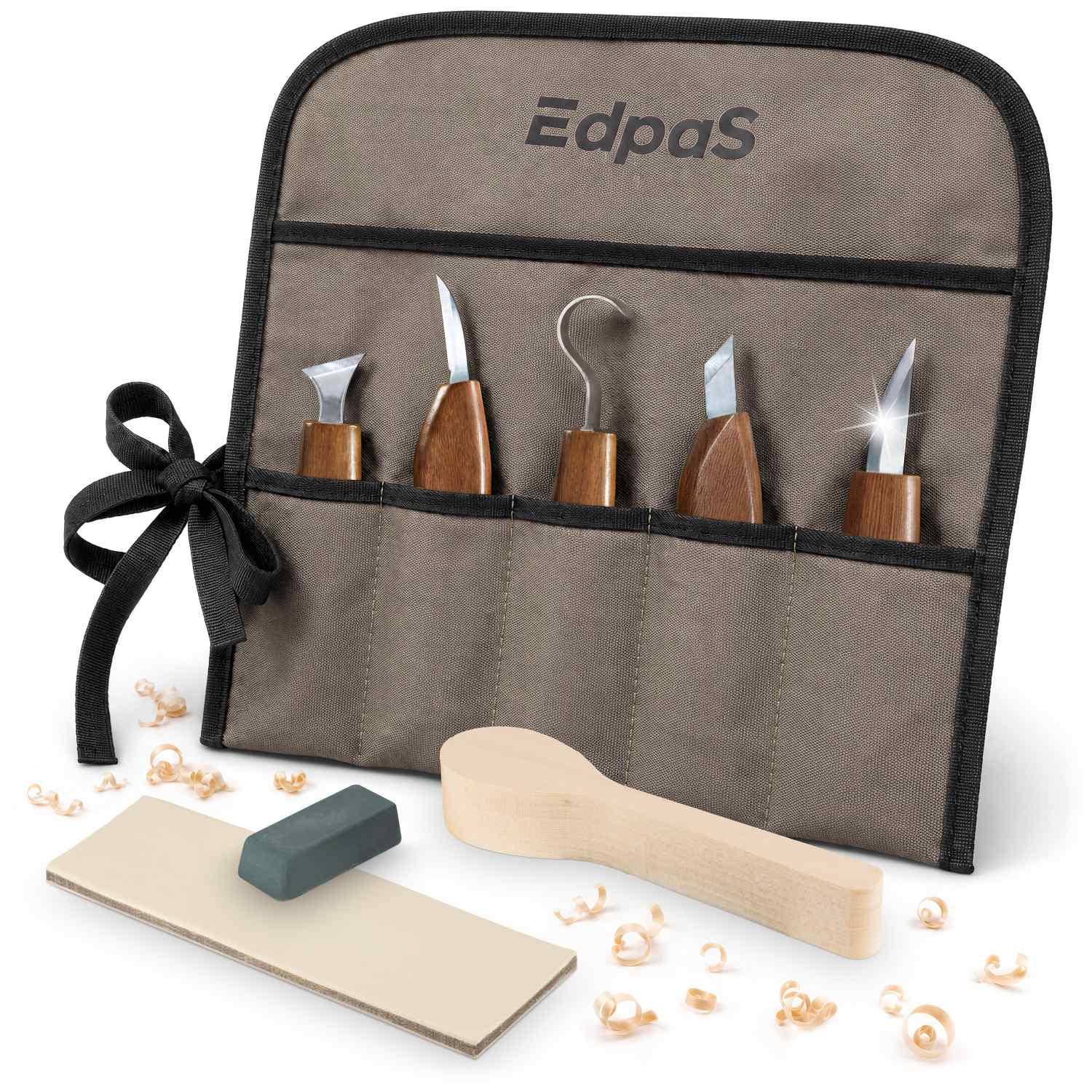
In our shop you will find a selection of products for oiling, staining, waxing and caring for wood – ideal for carvers, turners, hobbyists, children, beginners and creative DIY projects. This way, every carving is permanently protected and visibly high quality.
FAQ
What is better: oiling, staining or waxing wood?
That depends on the desired result. Stain colors the wood, wood oil nourishes and protects from within, wax protects the surface and provides a pleasant feel. Often a combination is useful.
When is wood oil suitable for carvings?
Wood oil is suitable if the wood surface is to be naturally maintained and protected. It is ideal for wooden figures, carvings, decorative items and DIY wood projects.
What is a wax stain?
Wax stain combines wood staining and waxing in one step. It colors the wood and at the same time protects the surface.
Can I apply wood oil or wood wax after staining?
Yes, depending on the product, an additional protective layer with wood wax or suitable wood oil can be applied after staining. It is important that the stain is completely dry.
Which oil is suitable for light carving woods such as linden?
For light woods such as linden, pine, spruce or fir, a non-enhancing wood oil is particularly suitable if the light raw wood look is to be preserved.
How often should oiled or waxed wood be cared for?
Depending on use and wear, wood should be regularly re-treated, especially if the surface appears dry or loses its protection.