
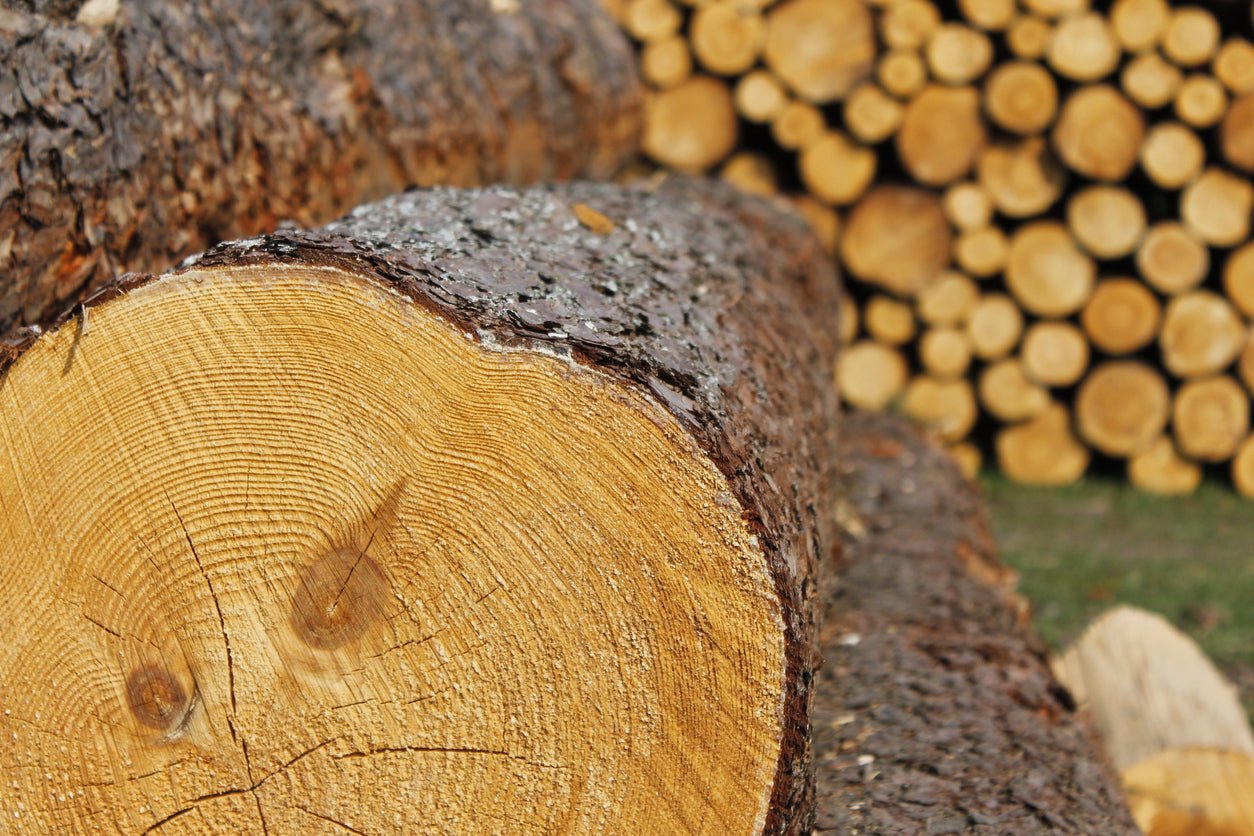
The grain of Swiss pine wood refers to the characteristic patterns and structures found in this wood. Swiss pine, also known as arolla pine or stone pine, comes from the Swiss pine tree (Pinus cembra), which is native to the European Alps. The grain plays a crucial role in the aesthetic appeal and artisanal use of Swiss pine wood.
Characteristics of the grain
The grain of Swiss pine wood is characterized by its distinctive patterns, ranging from gentle waves to striking swirls. The wood fibers run in different directions, creating unique contrasts and visual effects. The color palette ranges from a warm, reddish brown to a lighter yellow tone, further emphasizing the grain.
Influence of environmental factors
The grain pattern of Swiss pine wood is strongly influenced by environmental factors, including the growing conditions of the Swiss pine trees. The slow growth of these trees results in a fine and even fiber structure, which in turn contributes to a pronounced grain. Climatic conditions, such as altitude and temperature, can also influence the grain and lead to distinctive characteristics.
Use in arts and crafts and furniture making
The unique grain of Swiss pine wood makes it a sought-after material in arts and crafts and furniture making. Craftspeople appreciate not only its visual appeal but also its durability and pleasant properties. Furniture made from Swiss pine is often considered a timeless work of art, captivating with its natural beauty and individual grain.
Conclusion
The grain of Swiss pine wood is not only an aesthetic feature, but also contributes to the outstanding properties of this wood. Demand for Swiss pine products remains high, as both craftspeople and consumers appreciate the uniqueness and diverse applications of this valuable material.