
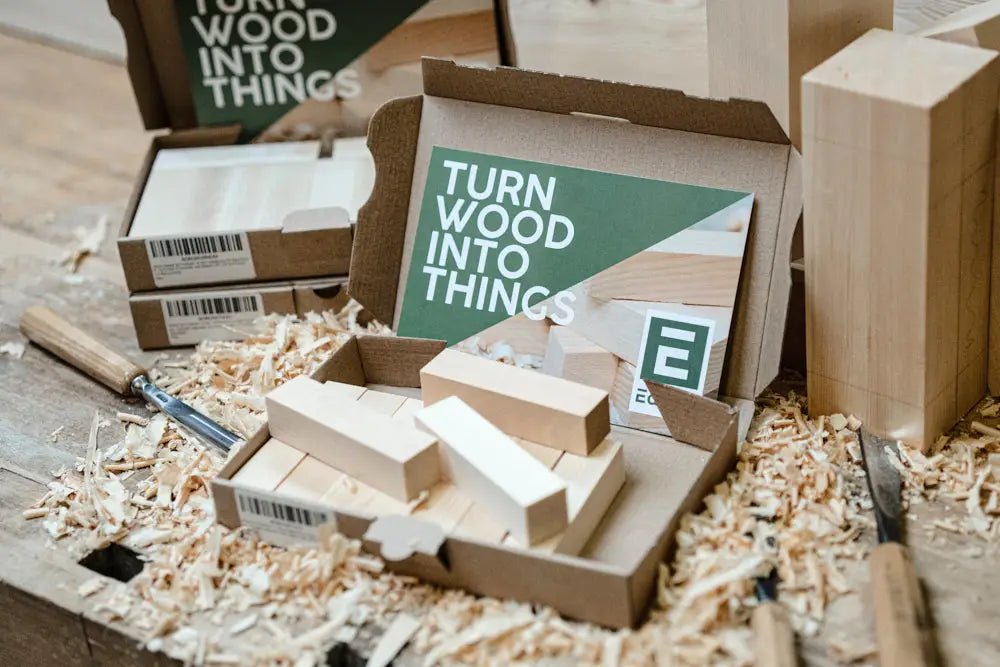
Wood carving is an ancient art form that allows for creative expression. In this blog post, beginners will find helpful tips for successful wood carving. We'll show you how to choose the right equipment, how to select a project, and what to pay attention to when carving wood.
1. Introduction to wood carving
Are you new to wood carving and eager to learn how to create? No problem! With a few simple tips and a little patience, you'll soon be crafting your first works of art. First, it's essential to acquire suitable tools, such as a carving knife. Choose a knife that is lightweight and easy to handle. It should also feel comfortable in your hand and be easy to control. Wood is another crucial element in creating artwork. Select a type of wood that best suits your desired style. There are various types of wood, each suited to different purposes. Once you've chosen your tools and wood, you can begin carving. Find some good tutorials and practice as often as you can. With a little practice and patience, you'll soon be creating your own artistic masterpieces.
2. Fundamentals of wood carving
The basics of wood carving are easy to learn, but it can take some time to master the skills you need for creative work. To help you get started, we've put together a few tips. First, choose a piece of wood that invites you to work with it. If you want to create a project, choose wood with a nice grain and color. Second, before you start carving, think about what you want to create. Draw a sketchbook and write down your ideas. Third, choose the right tools. For beginners, we recommend buying individual carving tools to get a feel for which tool is best suited to a particular task. Fourth, be patient and work on your ideas consistently. Proceed carefully and work slowly. Applying too much pressure to a piece of wood can damage it. And finally, practice, practice, practice. With each project you complete, you'll improve a little bit. Over time, you will find that you can become a master woodcarver.
3. Tools and materials
It's time to explore your creative skills and discover your creative potential. Wood carving allows you to unleash your creativity and create exciting works of art. But how do you get started? Here are a few beginner tips for wood carving to get you going right away. First, you need to get the right tools and materials. A good knife and a suitable piece of wood are the foundation for good wood carving. If you're unsure which tools and wood are best, you can find advice online. Many local tool and wood suppliers also offer free workshops that teach the basics of wood carving. Once you have the right tools and materials, you can begin. Think about what you want to carve and how you want to approach it. Plan how you can best organize the carving process. For example, make sketches or notes to keep track of everything. Try out different techniques and find out which ones suit you best. Don't forget to take regular breaks to review your work and stimulate your creativity. This will allow you to better assess your work and make corrections if necessary. If you follow all these tips, you'll soon be carving beautiful works of art from wood and continuously improving your skills. So, what are you waiting for? Unleash your creativity and explore your creative potential!
4. Basic carving techniques
It's important to have the right tools for wood carving, as the wrong ones can not only slow down your project but also negatively impact your results. A good set of tools should include a selection of different wood carving knives, a plane, a file, a carving knife, and a sanding sponge. First, use the carving knife to transfer a simple design onto your piece of wood. Once the design is complete, you can refine it with a plane. Use a carving knife to round the edges, and a file to add smaller details. Finally, polish the surface with a sanding sponge. With the right equipment and a little patience, you can achieve a beautiful result.
5. Add finer details
Beginners interested in woodcarving should work their way up to this creative pursuit. Before tackling more complex projects, we recommend learning and practicing some basic woodcarving techniques. With the right equipment and a few simple tips, you can soon begin carving wood. Anyone interested in woodcarving should first acquire good tools. Some of the basic tools you'll need are a carving knife, a carving rasp, a scraper, and a file. Don't forget to wear proper protective gear such as carving goggles and gloves. A quiet working environment is also essential. It's also helpful to choose some simple carving projects. Some ideas for beginners include a simple sculpting staff, a small statue, or a simple butterfly. These simple projects can help you learn and perfect the basic techniques. Once you've mastered the basic techniques, you can start creating more complex projects. Remember to take your time with each step to achieve the best possible result. Practice makes perfect, and patience pays off when it comes to creating woodcarving projects. With a little patience and creativity, you can create beautiful works of art that you can proudly display in your home.
6. Protective measures when wood carving
When learning to carve wood, it's important to take the right safety precautions to ensure your experience is as safe and enjoyable as possible. While carving, it's essential to wear safety glasses, protective clothing, and gloves to protect yourself from splinters and dust. Avoid wearing loose-fitting clothing to prevent injury from the sharp edges of the wood. It's also important to wear a respirator to protect yourself from the dust particles produced during carving. To prevent tripping hazards and other accidents, create a clean, well-lit workspace and ensure your tools are organized and in good working order. Another crucial aspect is using the right tools and techniques. Choose a tool that matches your skill level and practice until you feel confident using it. While it may be tempting, avoid carving wood that is too difficult for your abilities. Give yourself time to perfect your technique and develop your creative potential.
7. Inspirations for your own work
If you're a beginner who's just started wood carving, here are some helpful tips to improve your creative work. First, try to develop a feel for the wood. Touching and feeling it is the best way to determine which carving technique to use to achieve your desired result. Even if you've created a sketch of your project, you can still examine the wood closely to see what shapes and designs are present. You can also adjust the wood as needed to ensure it fits your design. Once you feel you've found the right carving technique, you can begin to refine your project. Remember to give your wood the attention it deserves to produce a beautiful result.
8. Conclusion
It's important to take your time when carving wood so you can truly enjoy the experience. With a little patience and a steady hand, you'll quickly discover that wood carving is a creative and rewarding activity, allowing you to achieve unique results. With the right beginner tips and a bit of practice, you'll soon master the basics of wood carving and develop your own style. Furthermore, wood carving can be a wonderful way to express your creativity and artistic expression.